
Extrasystoles
Innocent or dangerous? How to treat them
Feeling the heart "skip a beat" generates anxiety, but in most cases, it can be successfully managed. Discover how to distinguish a bothersome disturbance from a warning sign.

"An arrhythmic visit allows you to immediately understand if your heart is healthy".
"Anarchic cells that send early impulses"
Technically, extrasystoles are heartbeats that occur earlier than they should, interrupting the heart's normal rhythm. They are generated by "anarchic" cells that send electrical impulses outside the physiological cycle.
When are they innocent?
They do not always indicate a heart problem. Often the rhythm is influenced by external factors:
Stress and anxiety
Excess adrenaline stimulates the heart's anarchic cells.
Mineral deficiencies
Low levels of potassium or magnesium in the blood.
Stimulants
Abuse of caffeine, nicotine, or energy drinks.
When are they threatening?
An extrasystole becomes dangerous when it occurs in an already suffering heart ("Sick Heart") or with electrical defects. In these cases, it can trigger serious arrhythmias or cardiac arrest.
Structural heart disease:
- Congenital heart disease
- Myocardial infarction
- Heart muscle diseases
(cardiomyopathies) - Inflammatory heart diseases (myocarditis)
Electrical heart disease (morphologically normal):
- Brugada Syndrome
- Long / Short QT Syndrome
- CPVT (Catecholaminergic Ventricular Tachycardia)
Treatment saves lives.
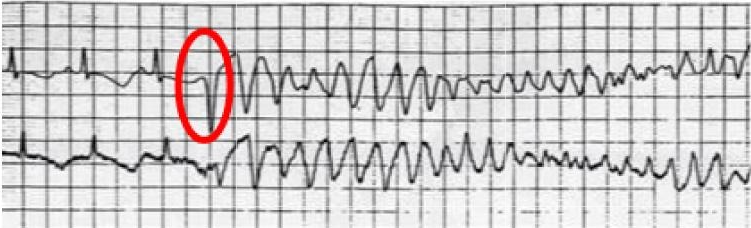
Types of Extrasystoles
The distinction is fundamental for deciding the correct therapy.
Type 1:
Supraventricular
They originate from the atria. They are less dangerous but very symptomatic.
- The risk: Trigger for Atrial Fibrillation..
- The cure: If medications are not enough, ablation resolves it at the root.
Type 2
Ventricular
They originate from the main cavities and require accurate evaluation.
Case A: Healthy Heart
Often benign but bothersome. Ablation is indicated if symptoms are heavy.
Case B: Sick Heart
The heart can be structurally or electrically ill. They can be serious and a cause of sudden death. The treatment includes medications, ablation, defibrillator implantation, associated differently depending on the case.
Is pharmacological therapy no longer enough?
Dr. Grossi’s Approach:
Diagnosis and 3D mapping
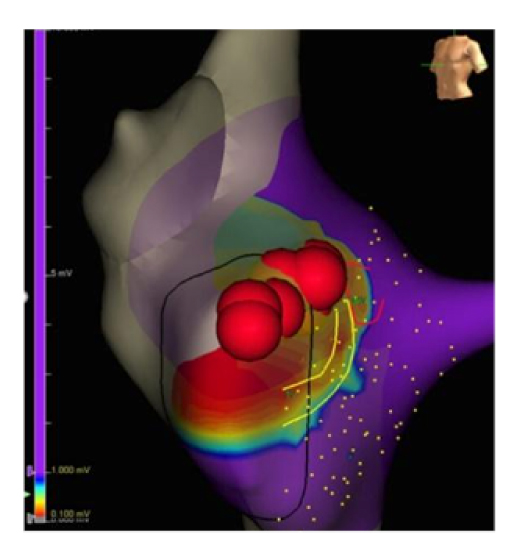
The diagnosis begins with ECG and Holter to capture the abnormal beat. If medical therapy is ineffective, Dr. Grossi specializes in TC Ablation surgery.
- Electroanatomical Mapping: Millimetric localization of the abnormal focus.
- Ablation: Minimally invasive neutralization of "crazy" cells.
- Drug Discontinuation: Often definitive resolution of the problem.
Do not ignore your heart's signals
The difference is made by an accurate diagnosis. Rely on Dr. Grossi's interventional experience to return to living without anxiety.
Do you want to learn more about the pathophysiology and biological mechanisms?

